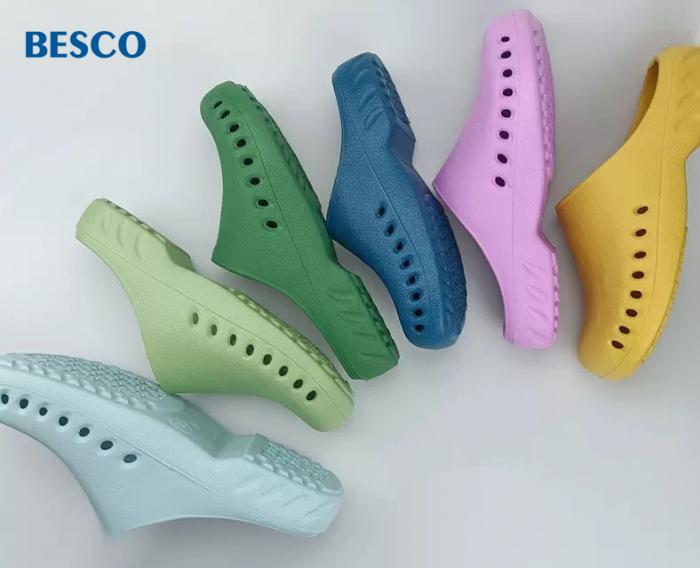
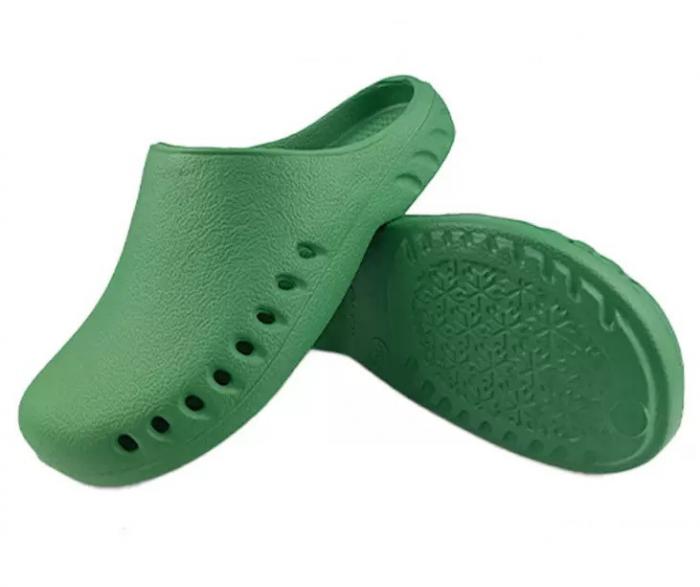
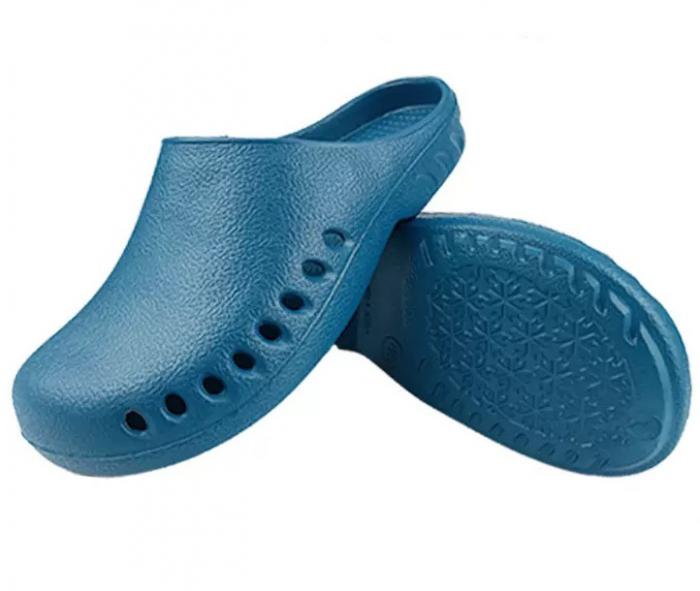
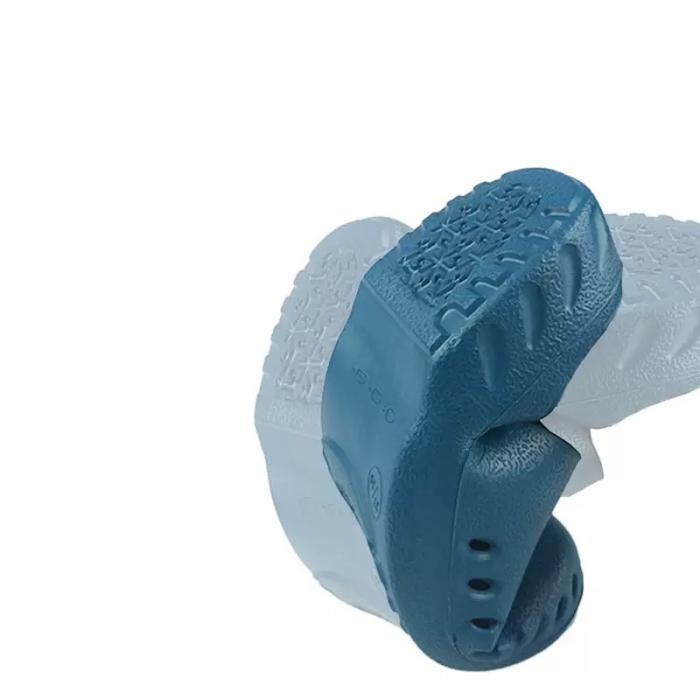
| Name: | Medical Footwear |
|---|---|
| Model No.: | BES-TX004 |
| Product Name: | Medical Footwear |
| Brand: | BESCO |
| Keywords: | Medical Orthotic & Orthopedic Footwear |
| LEAD TIME: | 15 DAYS |
| Sample: | Available |
| MOQ: | 500 pcs |
| Payment Term: | T/T in advance |
| Country of Original: | China |
| Price: | US3.75 |
| Stock: | Available |
| Main Material: | EVA |
| Factory Address: | Changyuan,China |
Products Description
Feature:
Material:EVA
Functions:waterproof,anti-sliper,unisex use
Thichness:3.5cm +
Color available:blue,green,purple,white,pink etc.
Size:35 - 47
Medical Footwear A Therapeutic Approach to Foot and Lower Limb Conditions
Overview
Medical footwear refers to shoes and inserts that are designed for therapeutic purposes and to address various foot, ankle, and lower limb conditions. Unlike regular footwear that focuses on style and comfort, medical shoes are prescribed by healthcare professionals to provide biomechanical support, accommodate deformities, reduce the risk of injury, and assist recovery.
There are various types of medical footwear such as Diabetic Footwear, Surgical Shoes, Orthopedic Shoes, and Nursing Shoes. The growing old age population and rising orthopedic conditions across the globe are the key factors driving the global medical footwear industry.
The most common foot conditions that may require medical footwear
Diabetes Diabetic peripheral neuropathy and poor circulation put patients at high risk for foot ulcers and infections that may lead to amputation. Diabetic shoes help prevent this.
Arthritis Rheumatoid arthritis and osteoarthritis can cause joint pain and inflammation in the feet. Orthopedic shoes provide cushioning and support.
Plantar fasciitis Heel and arch pain caused by inflammation of the plantar fascia ligament. Good arch support and cushioning help.
Bunions Bony bumps at the base of the big toe that become enlarged and painful. Wider toe boxes and cushioning accommodate bunions.
Hammertoes Bent, rigid toes that can become painful when wearing normal shoes. Depth shoes provide room.
Achilles tendonitis Swelling and pain from overuse and injury to the Achilles tendon. Heel lifts and pads can help.
Heel spurs Calcium deposits on the heel bone that cause heel pain. Cushioned orthopedic shoes provide relief.
Neuropathy Numbness, tingling, and pain in the feet due to nerve damage. Custom shoes redistribute pressure.
Orthopedic Footwear Technologies for Biomechanical Correction and Therapeutic Intervention
The prescription and customized fabrication of medical footwear provide impactful podiatric treatment modalities for mitigating pathological sequelae and improving ambulatory function. Rigid, semi-rigid, and soft orthoses allow biomechanical manipulation and offloading of specific plantar zones based on the individual's condition and requirements.
Rehabilitative footwear solutions include ankle-foot orthoses (AFOs) for stabilizing and restricting joint motion following trauma, Charcot restraint orthotic walkers to limit collapse and ulceration in the acute Charcot foot, and controlled ankle motion (CAM) walkers permitting safe physiological range while healing. Total contact casts effectively redistribute pressure to heal recalcitrant plantar ulcers. Custom therapeutic footwear accommodates deformities using depth-inlay construction and extra-depth techniques while rearfoot-controlling heel counters and mediallateral flares or buttresses provide stabilization.
Advanced computer-aided design and additive manufacturing facilitate highly customized foot orthoses and footwear capable of precision adjustments in structure and material durometry for personalized treatment. Technical textiles with moisture-wicking, anti-microbial, and thermogenic properties also benefit diabetic and vascular patients. Appropriate prescription footwear is crucial in preventing and healing foot wounds as well as restoring gait function across multiple orthopedic pathologies. Ongoing research seeks to enhance efficacy through digitally enabled fabrication, dynamic sensor-based adaptation, and auxiliary therapies like micro-stimulation.
The key advantages of the medical footwear industry
Improved mobility Medical shoes provide support, stability, and pain alleviation that help people with injuries or chronic conditions to walk and move actively. This improves overall mobility.
Ulcer and wound prevention Footwear designed for diabetics and those with circulation issues helps prevent dangerous foot ulcers and wounds from developing.
Post-surgery recovery aid Post-op shoes allow the foot to heal properly after surgery while still enabling safe walking.
Deformity accommodation Custom footwear can accommodate bunions, hammertoes, and other deformities that require specialized foot shape and cushioning.
Fall prevention Some designs provide improved balance and grip which prevents dangerous falls, especially in elderly patients.
Improved posture Orthopedic shoes correct alignment issues and provide arch support which helps improve posture and gait biomechanics.
However, huge cost, size and fit challenges, and limited style op

 Send Email
 WhatsApp